
Partner Institutions: The UK FDCO, The British Embassy in Jakarta, The Indonesian Ministry of Health, Indonesia Investment Coordinating Board (BKPM), and many more
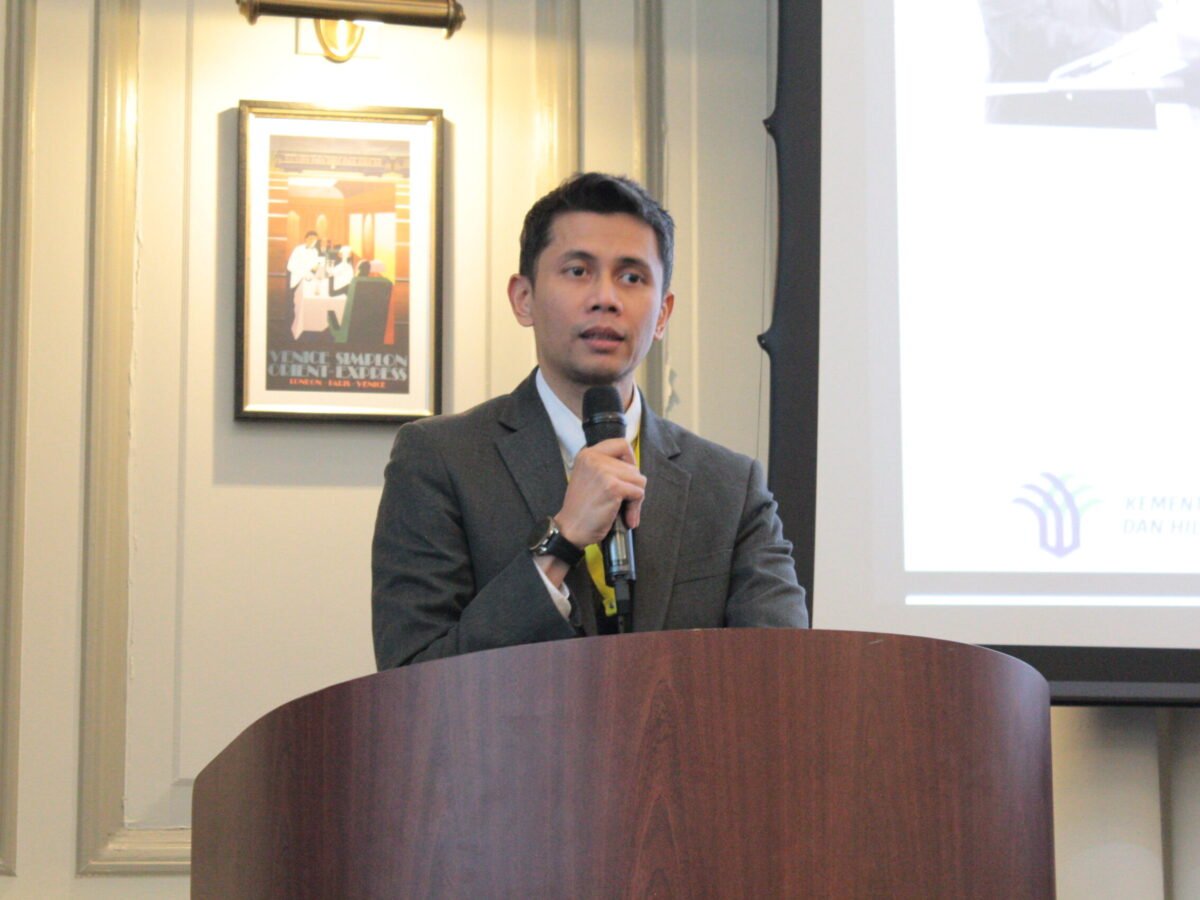
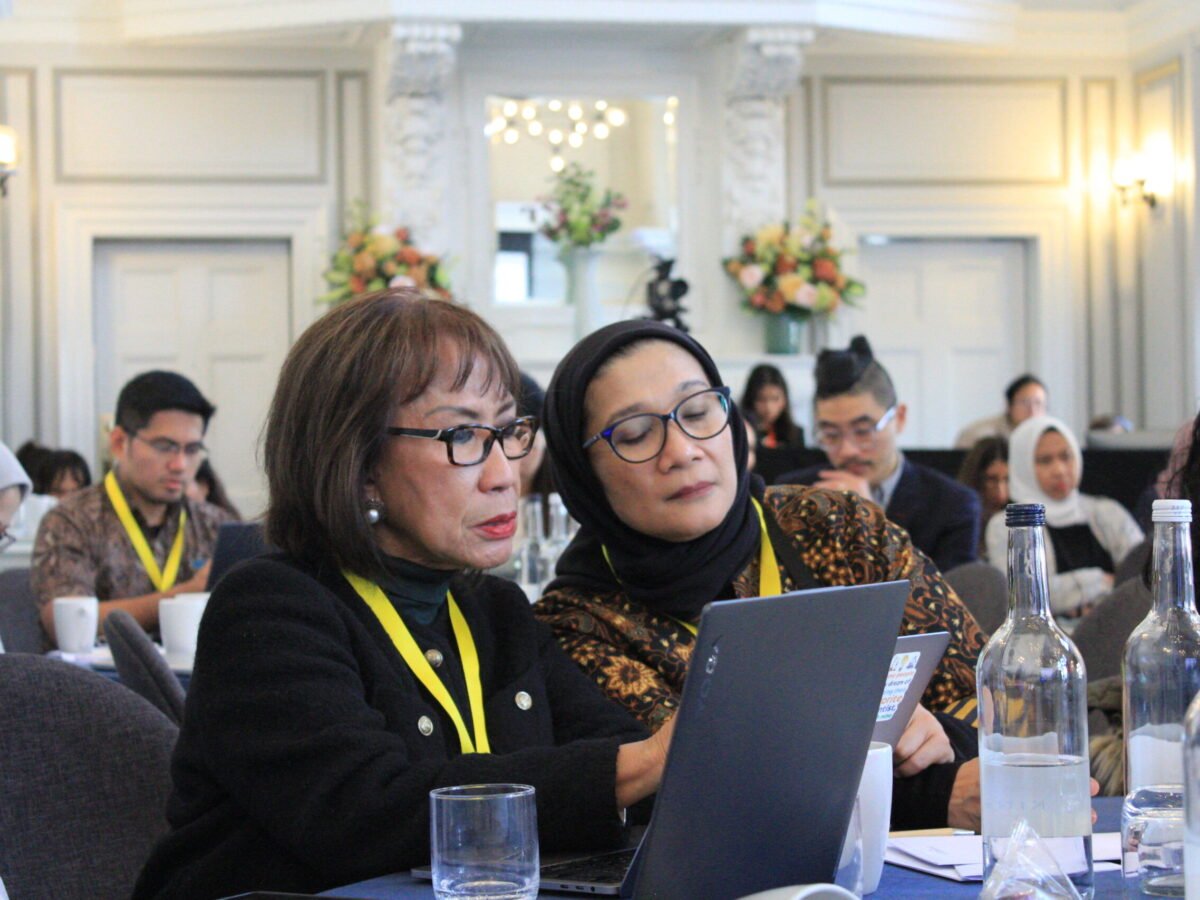
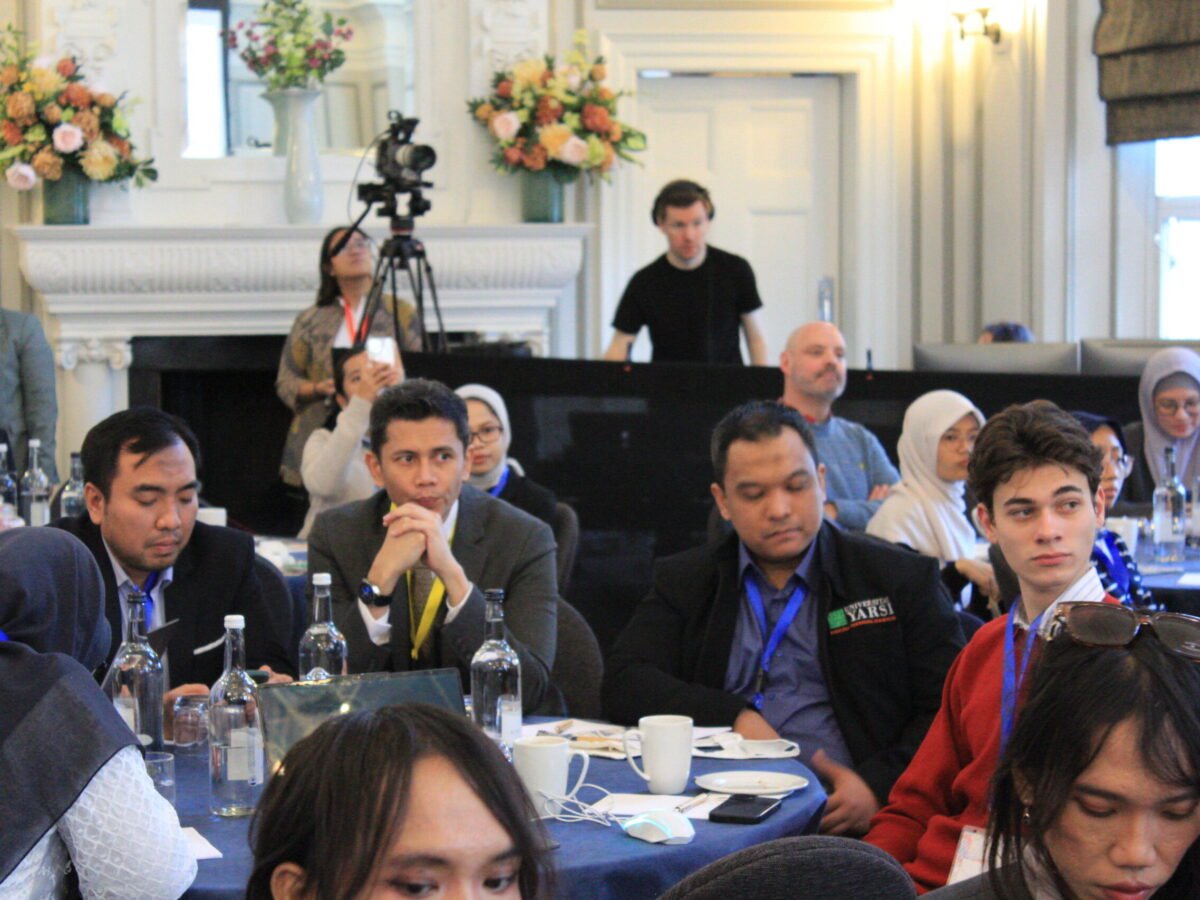
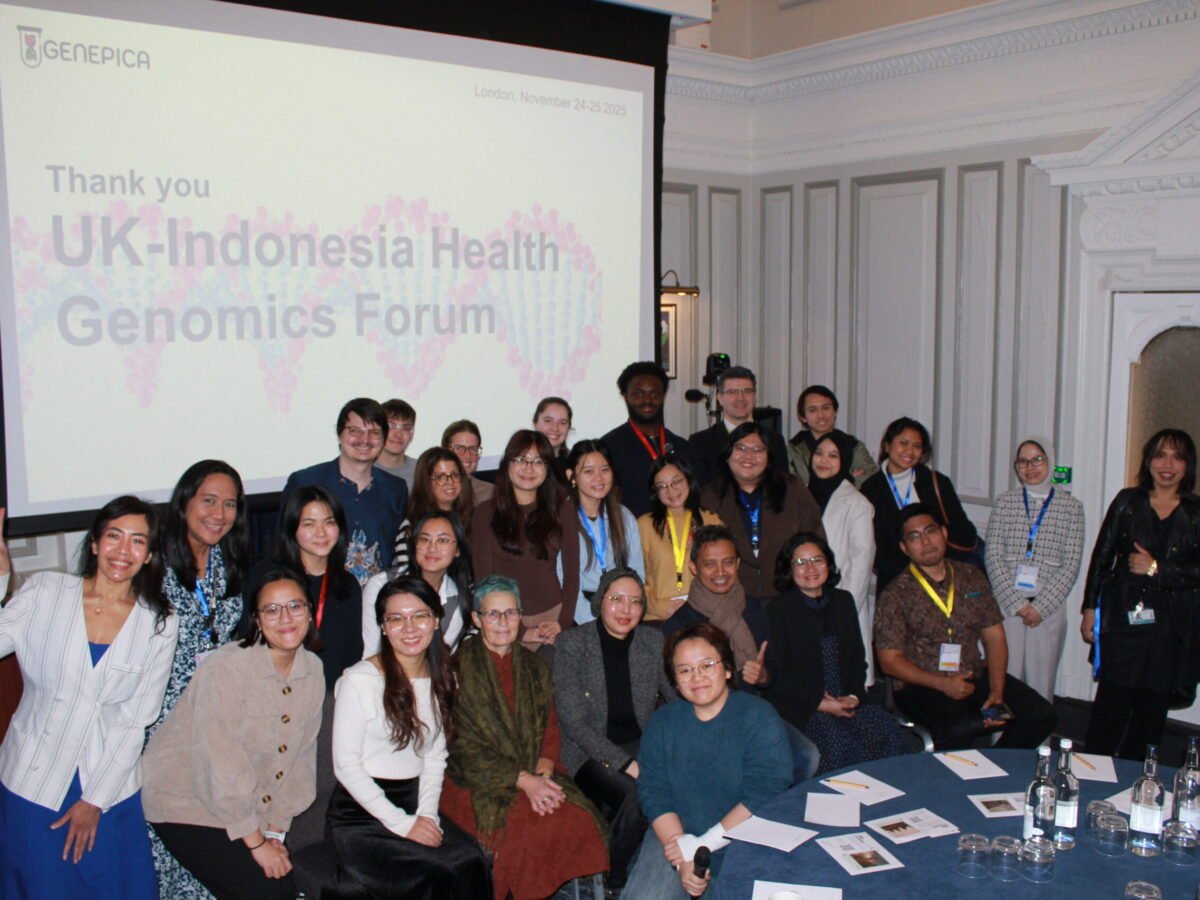
UK-Indonesia Health Genomics Forum
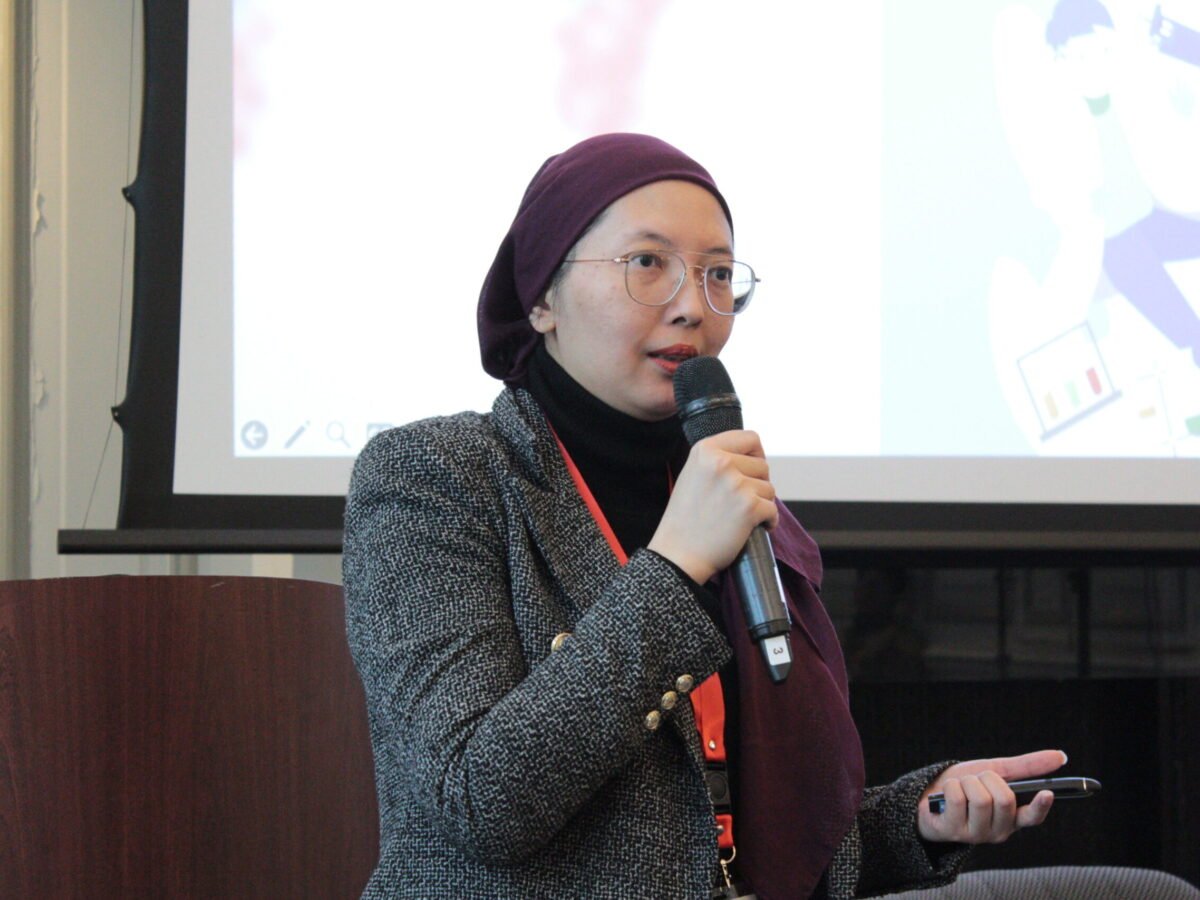
is our biennial high-level conference where leading stakeholders, policymakers, and researchers convene to discuss important topics in the field.
Our speakers included high-level stakeholders, such as the Ministers of Health from the UK and Indonesia, leading scientists, directors and C-level executives from NHS, Genomics England, University of Oxford, University of Cambridge, Wellcome Trust Sanger Institute, BRIN, and many other major institutions from both countries.
Our 2023 Forum in Jakarta attracted ~600 registered hybrid participants, while our 2025 Forum in London attracted ~800 registered hybrid participants.
The UK FDCO, British Embassy in Jakarta, Indonesian Ministry of Health, Indonesia Investment Coordinating Board (BKPM), Oxford Nanopore Technologies, Yayasan Satriabudi Dharma Setia, Oxford Society Indonesia, Summit Institute for Development, Kuncoro Foundation, Tjandra Foundation, and Entrepreneur First were among the institutions that supported this initiative.
Global Clinical Genomics Fellowship
is a structured, international training programme bridging genomic science and clinical implementation. It aims to close the critical gap between genomic innovation and clinical adoption. A global review across 35 countries found that genetics workforce shortage was the most frequently reported barrier (Lee et al., 2026). Only 20% of physicians reported moderate or extensive training in genetics, 80% had limited or no training (Schaibley et al., 2022).
The Programme runs for 17 to 21 weeks. The first 17 weeks cover core and fundamental sessions taken by every participant; the remainder is offered as specialised tracks. Our expert lecturers come from some of the best institutions in the world.
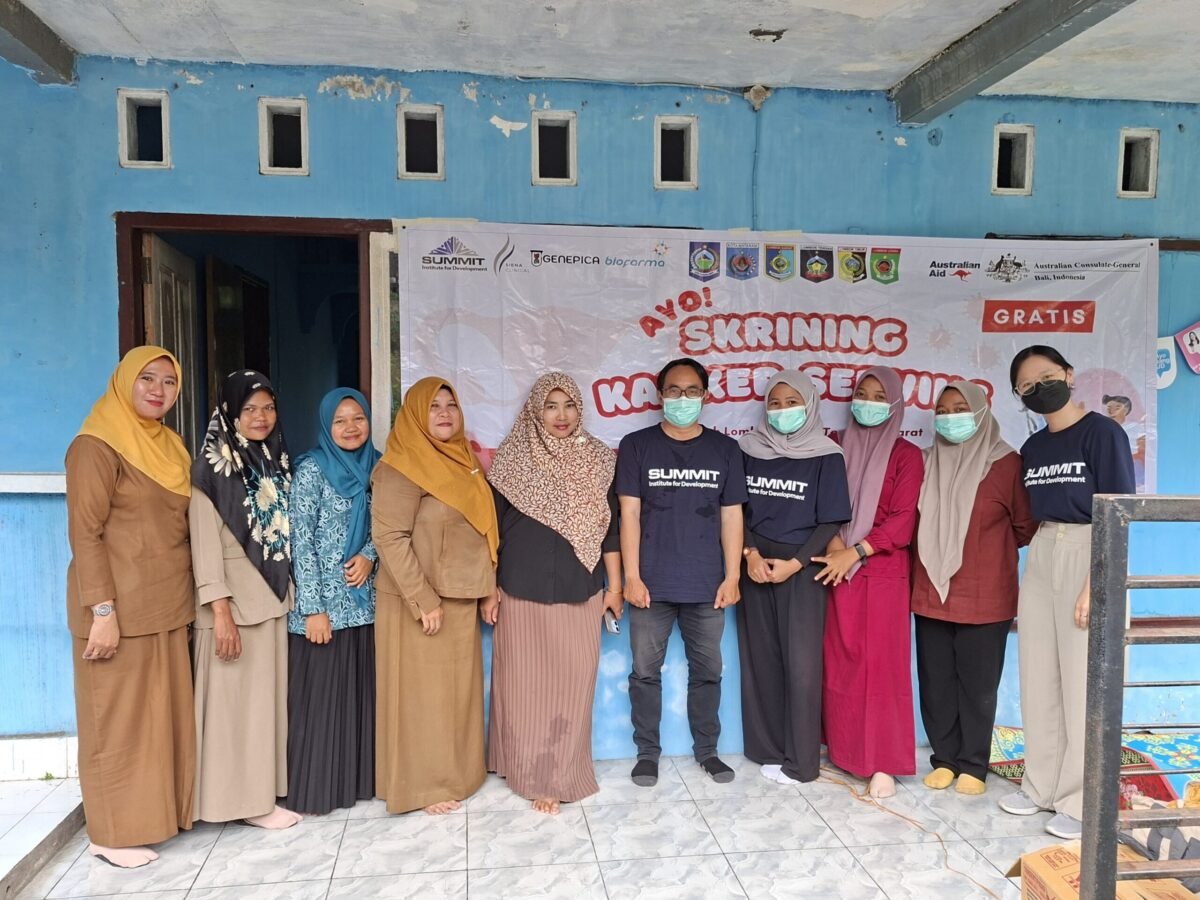
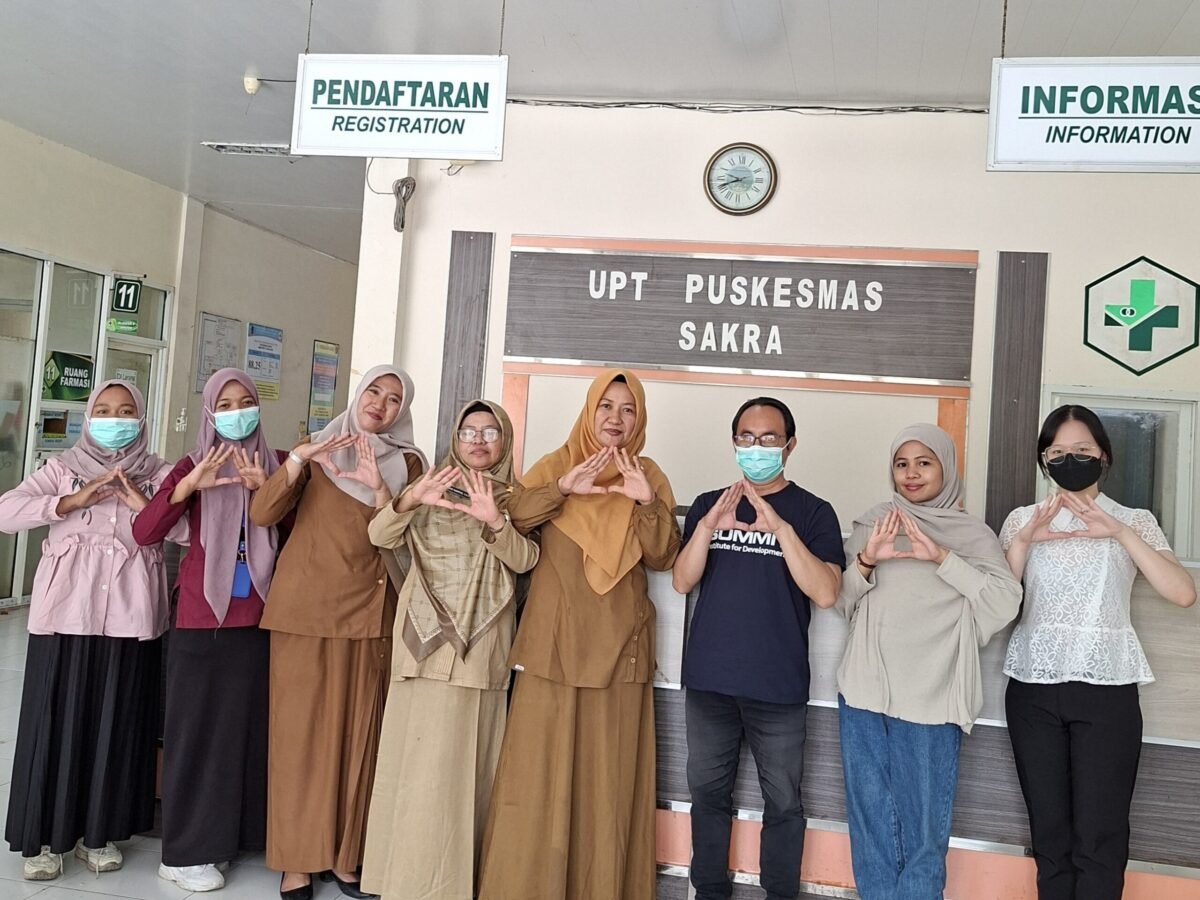
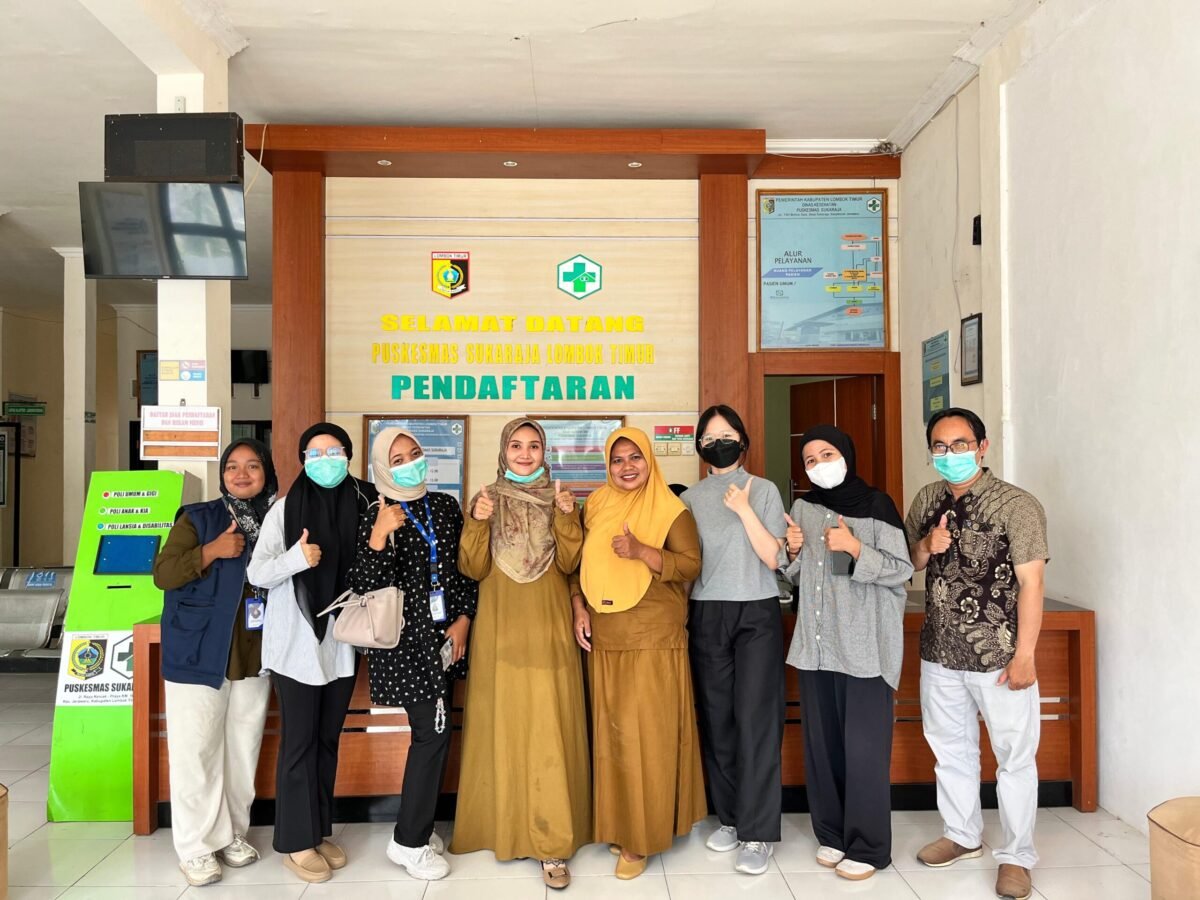
Partner Institutions: Summit Institute for Development, Siena Clinical
HPV and Epigenetics Study of Pre-Cervical Cancer
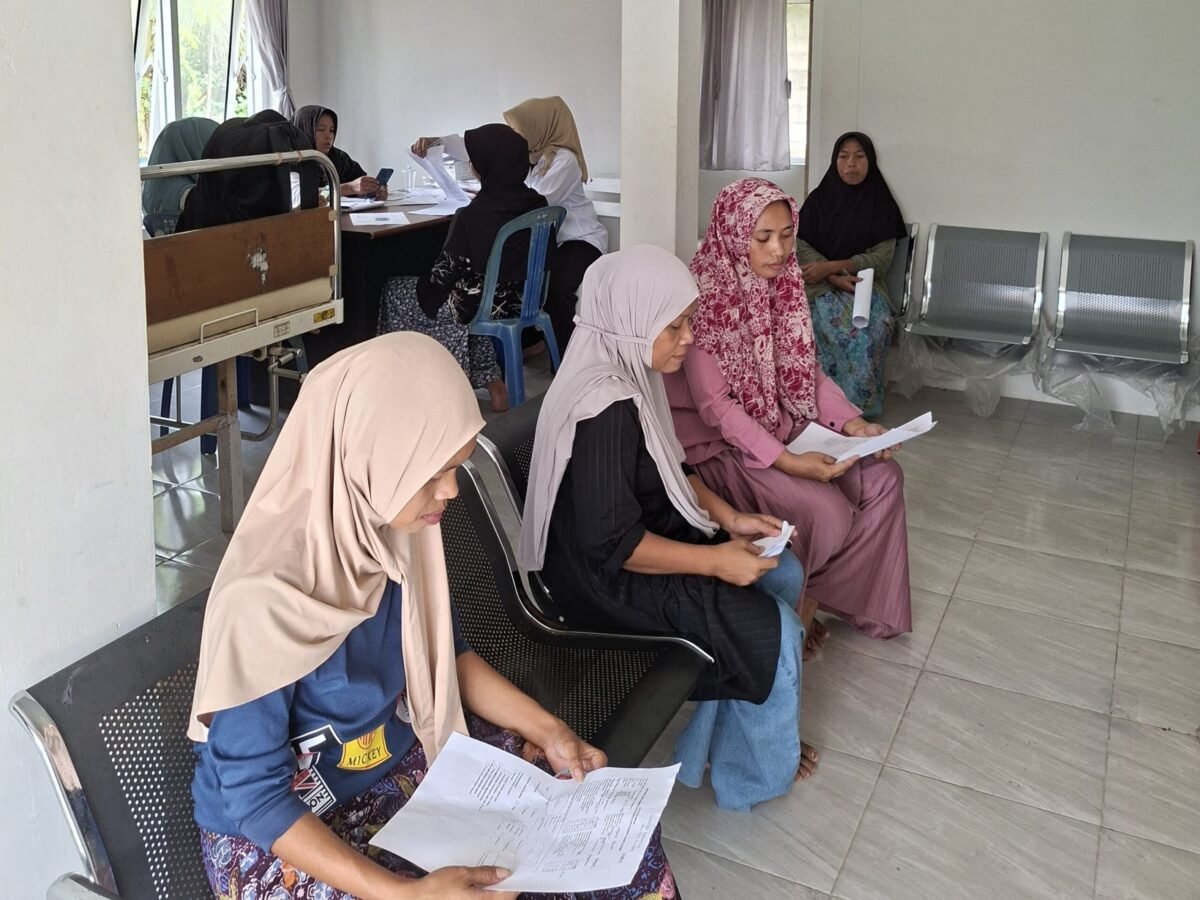
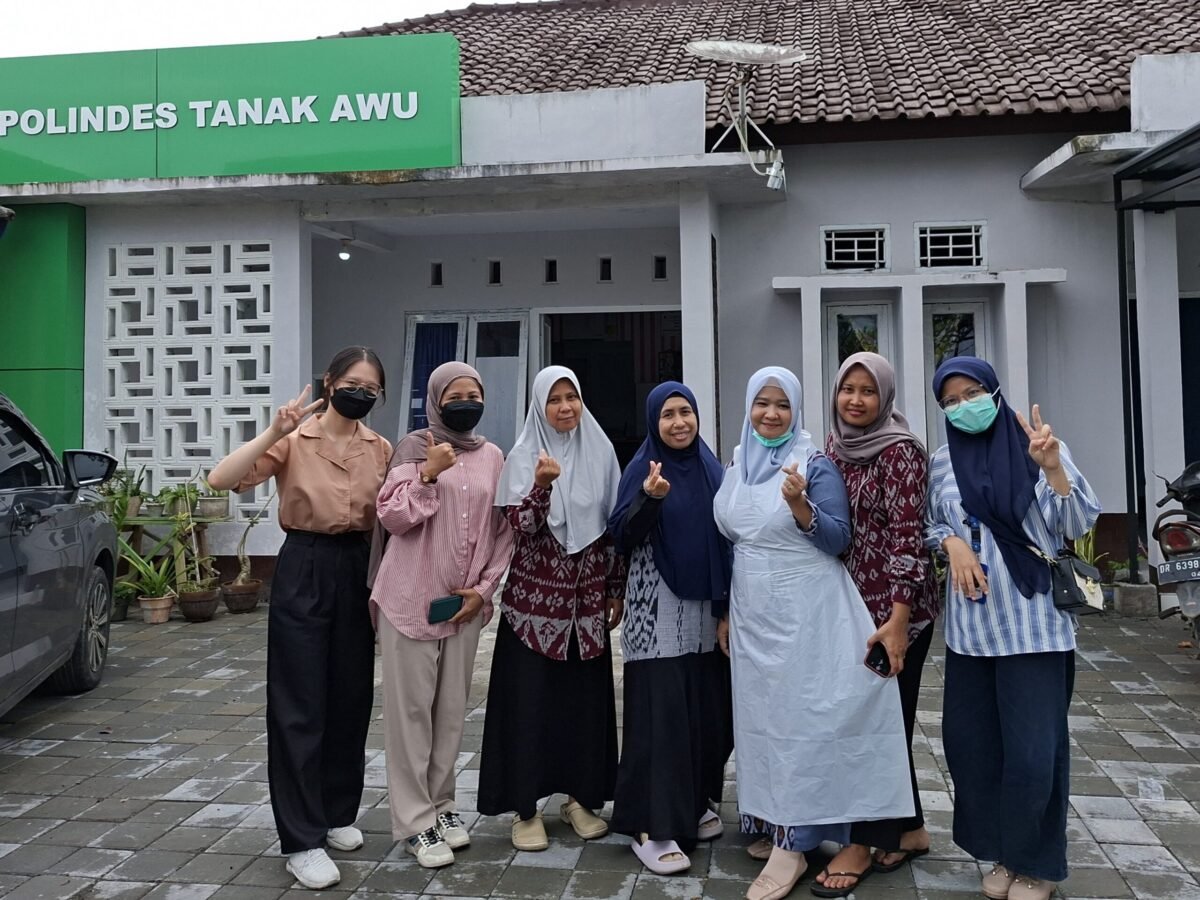
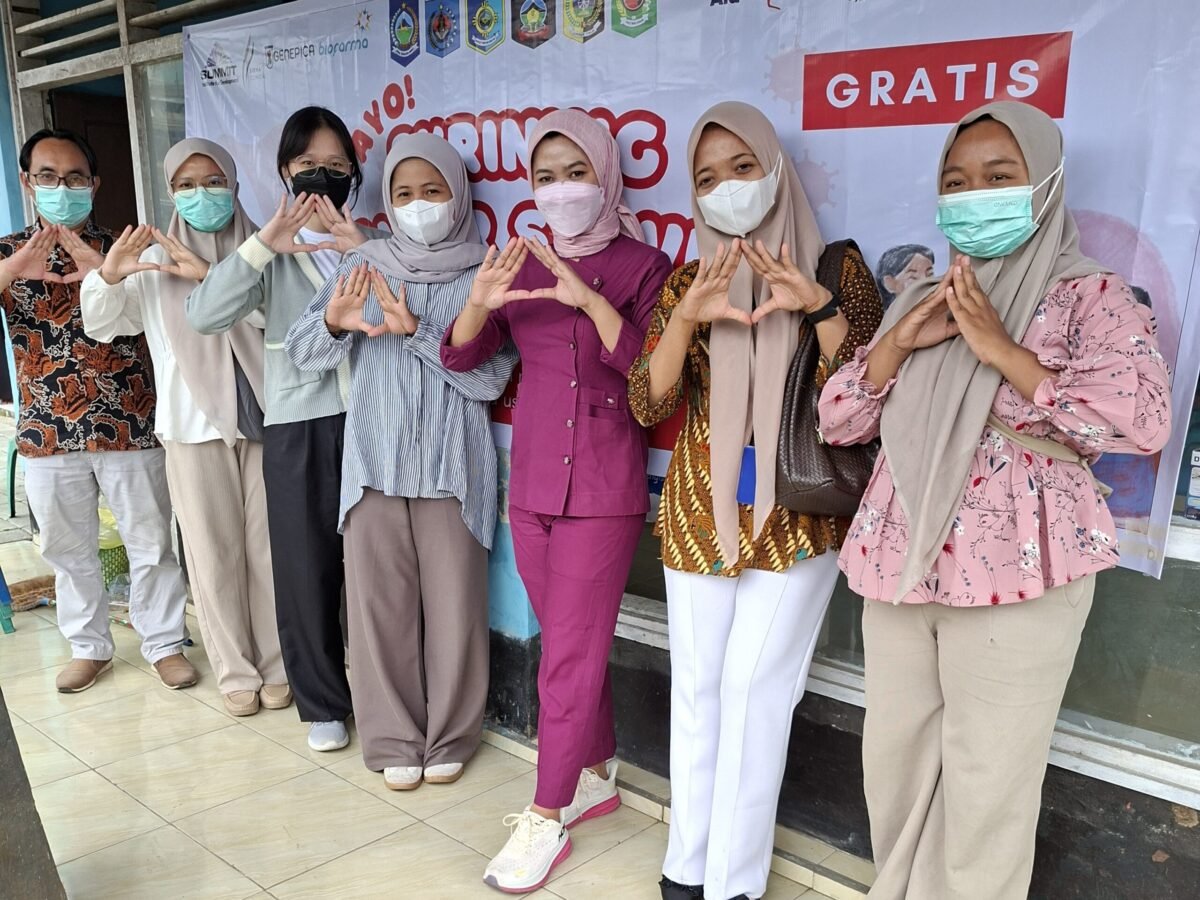
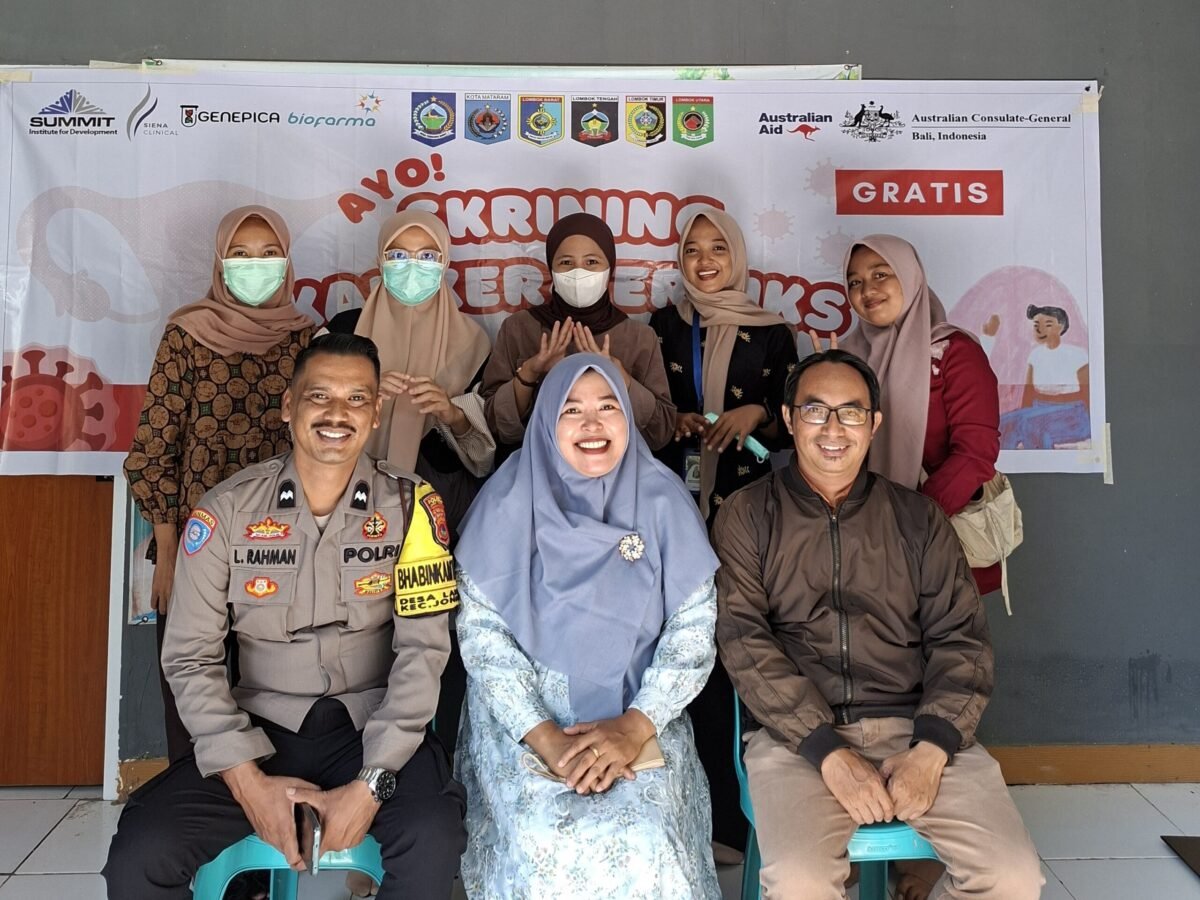
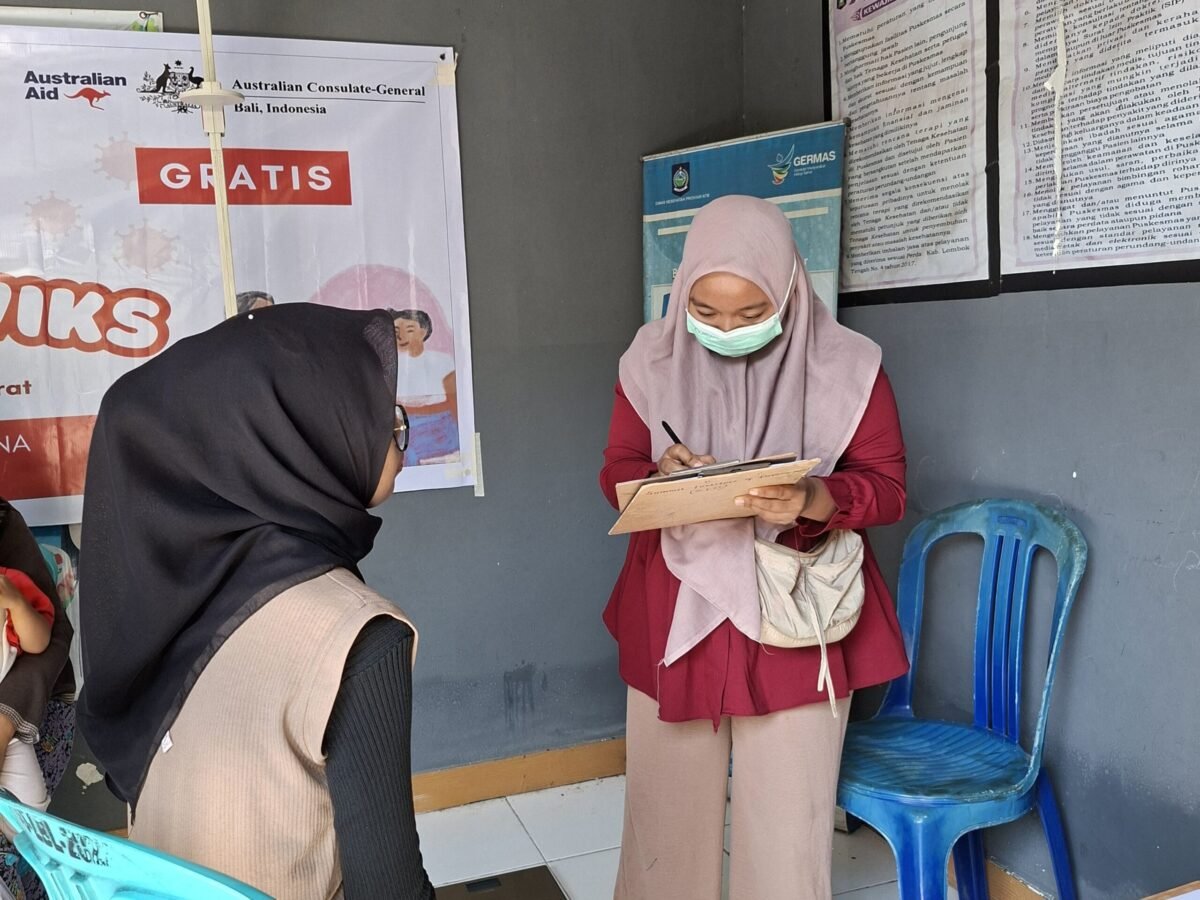
The HPV and Epigenetics Study of Pre-Cervical Cancer is a collaborative research initiative focused on advancing understanding of HPV infection, epigenetic factors, and their potential role in the development and early detection of pre-cervical cancer in Indonesia. The study brings together research, clinical, and scientific expertise to strengthen knowledge and contribute to the development of approaches that can support improved prevention, detection, and management of cervical cancer.
As part of the initiative, GENEPICA supports collaboration and knowledge exchange among researchers, healthcare professionals, and project partners through scientific engagement, research activities, and capacity-building programmes. Activities include scientific webinars, clinical and research discussions, and training on standardised study procedures to strengthen research capacity and ensure consistency in project implementation.
Through these activities, the study aims to foster collaboration across the research and healthcare communities, strengthen local research capabilities, and contribute to the advancement of HPV and epigenetics research and women’s health in Indonesia.

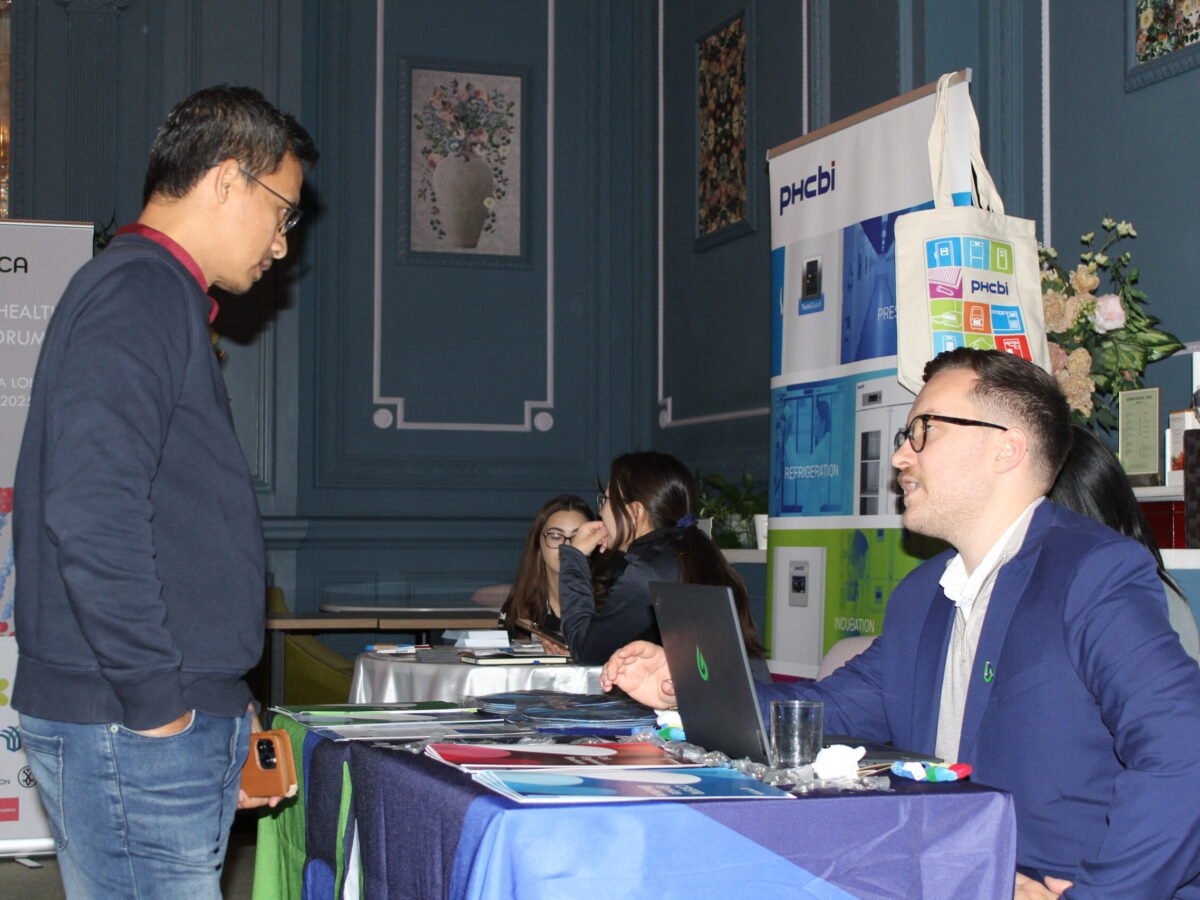
The Future of Healthcare Fair
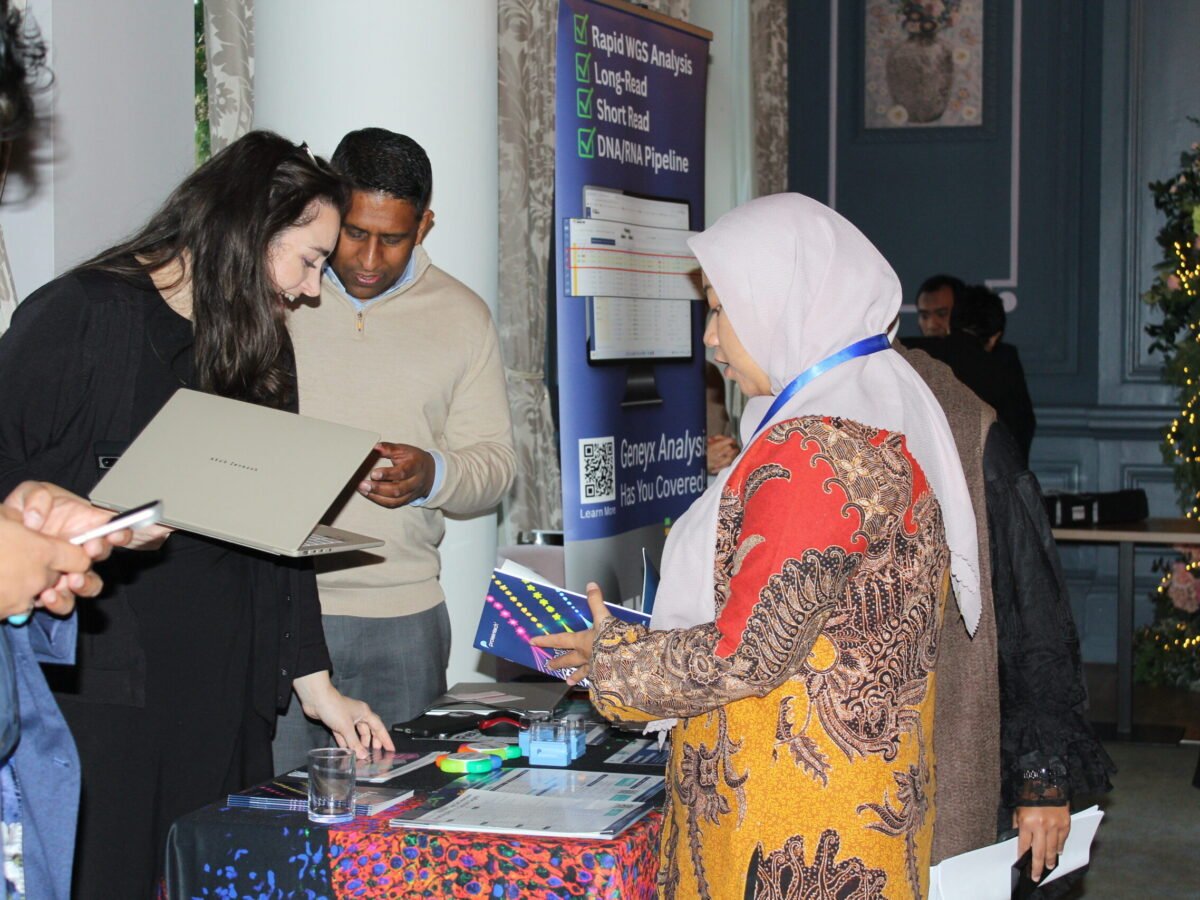
The Future of Healthcare Fair is a platform that brings together emerging innovations, technologies, and opportunities shaping the future of healthcare and life sciences. The Fair connects healthcare and biotechnology companies with researchers, entrepreneurs, investors, students, professionals, and other stakeholders, creating opportunities for networking, knowledge exchange, and collaboration.
Our last Fair was held at the Clermont Victoria London in 2025.
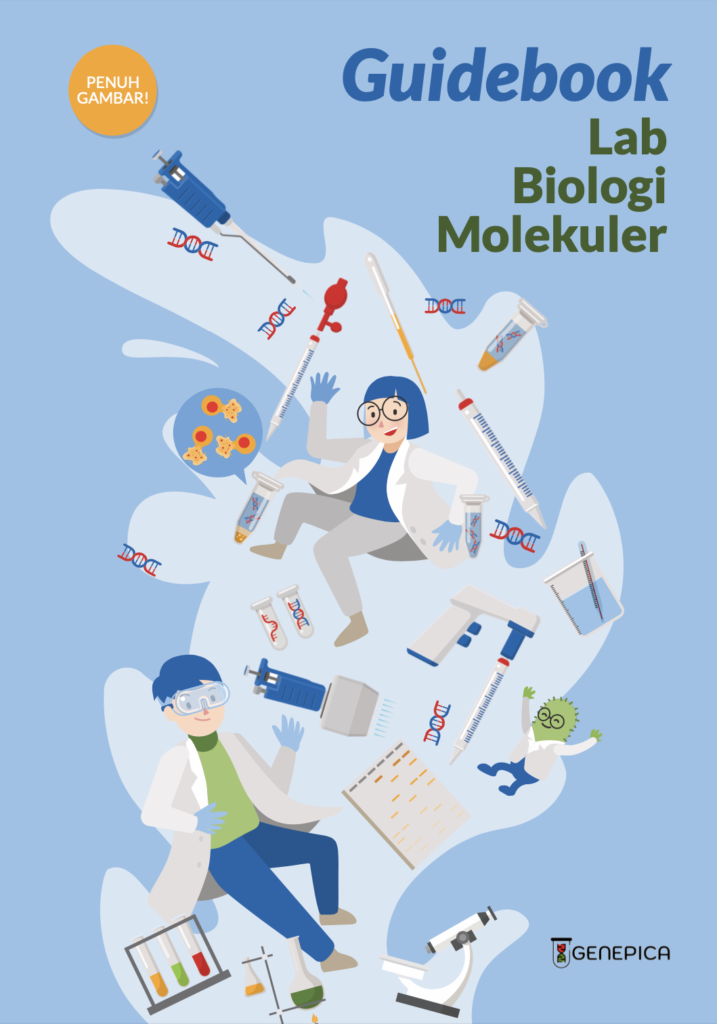
Molecular Biology Lab Guidebook
The Guidebook Lab Biologi Molekuler is a practical educational resource developed by GENEPICA to support students, researchers, and laboratory professionals in building knowledge and skills in molecular biology laboratory work. Featuring original content and illustrations developed by GENEPICA’s subject-matter experts, the guidebook covers practical laboratory techniques, good laboratory practices, and common experimental challenges.
The guidebook is complemented by webinars and seminars with academic institutions, providing opportunities for expert-led knowledge exchange and practical discussion while making molecular biology resources more accessible to the wider scientific community.
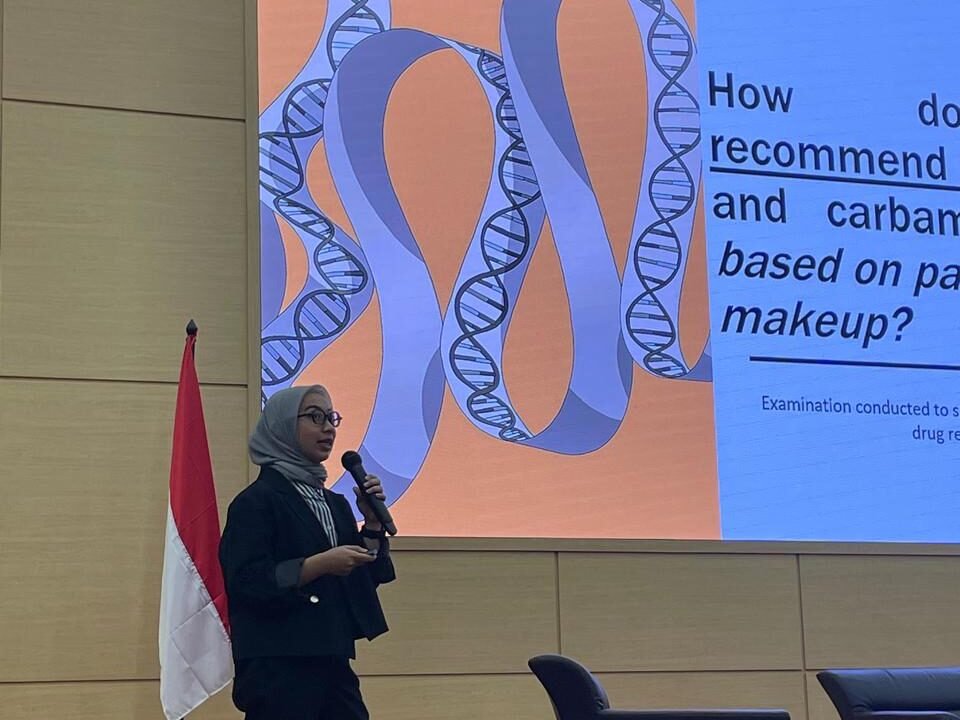
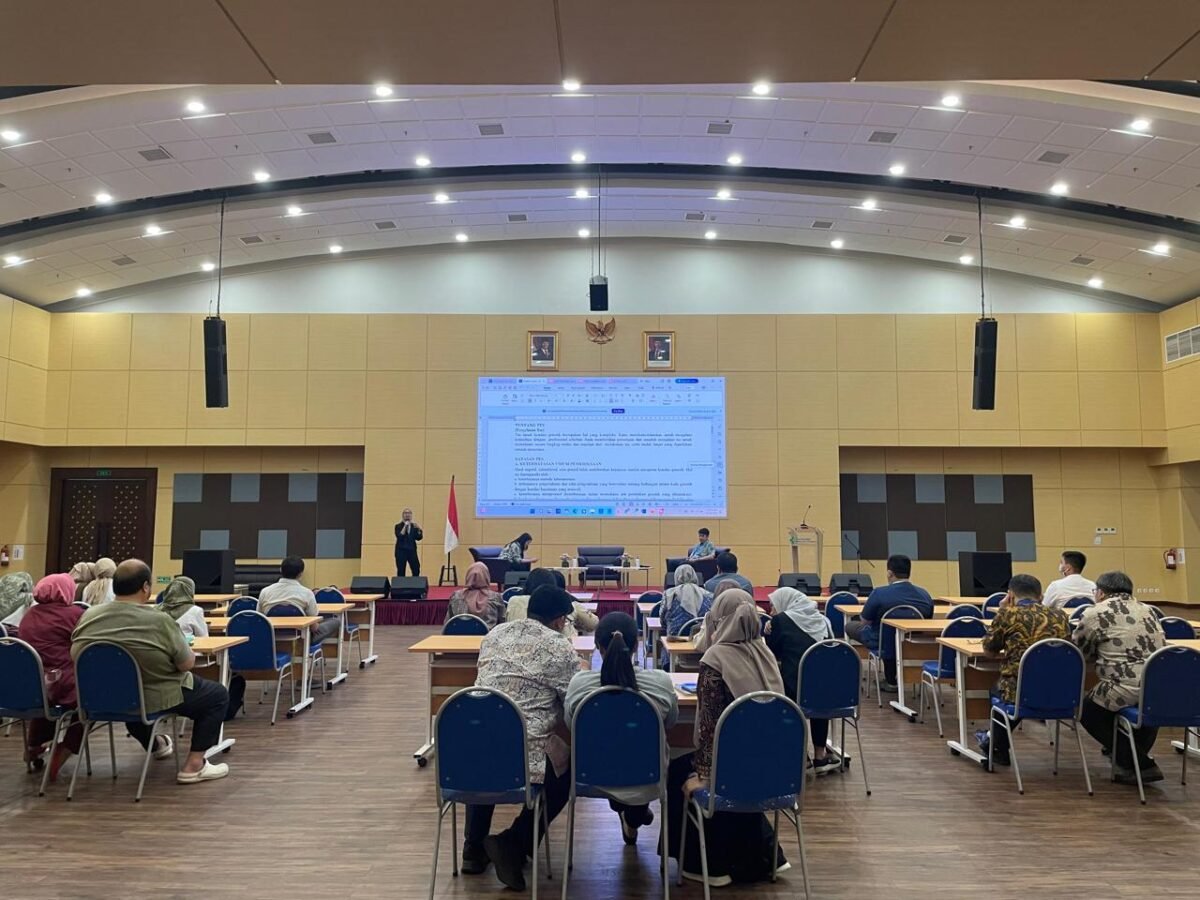
Genomics Consulting
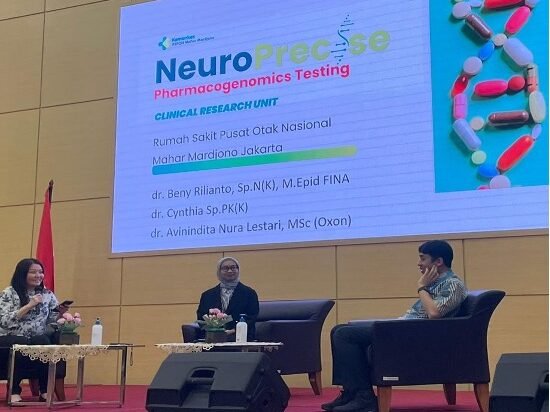
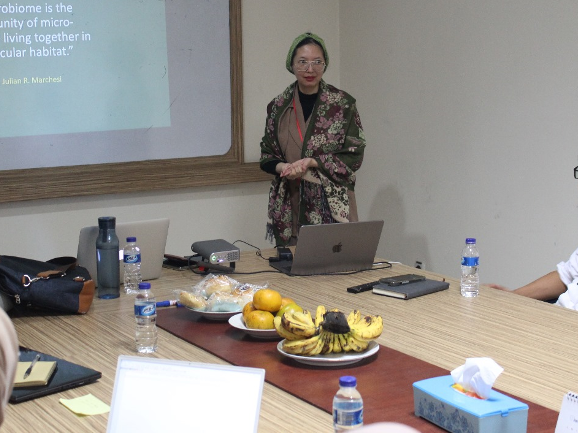
GENEPICA provides genomics and biomedical research consulting services, supporting academic institutions, healthcare organisations, and research partners in designing and implementing research and precision medicine initiatives. Our expertise spans genomics and genetics study design, bioinformatics and genomics data analysis, genomics database development, lab work trainings, and the translation of genomic evidence into practical and clinical applications.
Through tailored technical support, training, and strategic collaboration, GENEPICA helps partners strengthen research capabilities, develop genomic infrastructure, and advance the application of genomics and pharmacogenomics in healthcare.
Partner Institutions: Enabled
Genomics Policy Briefs
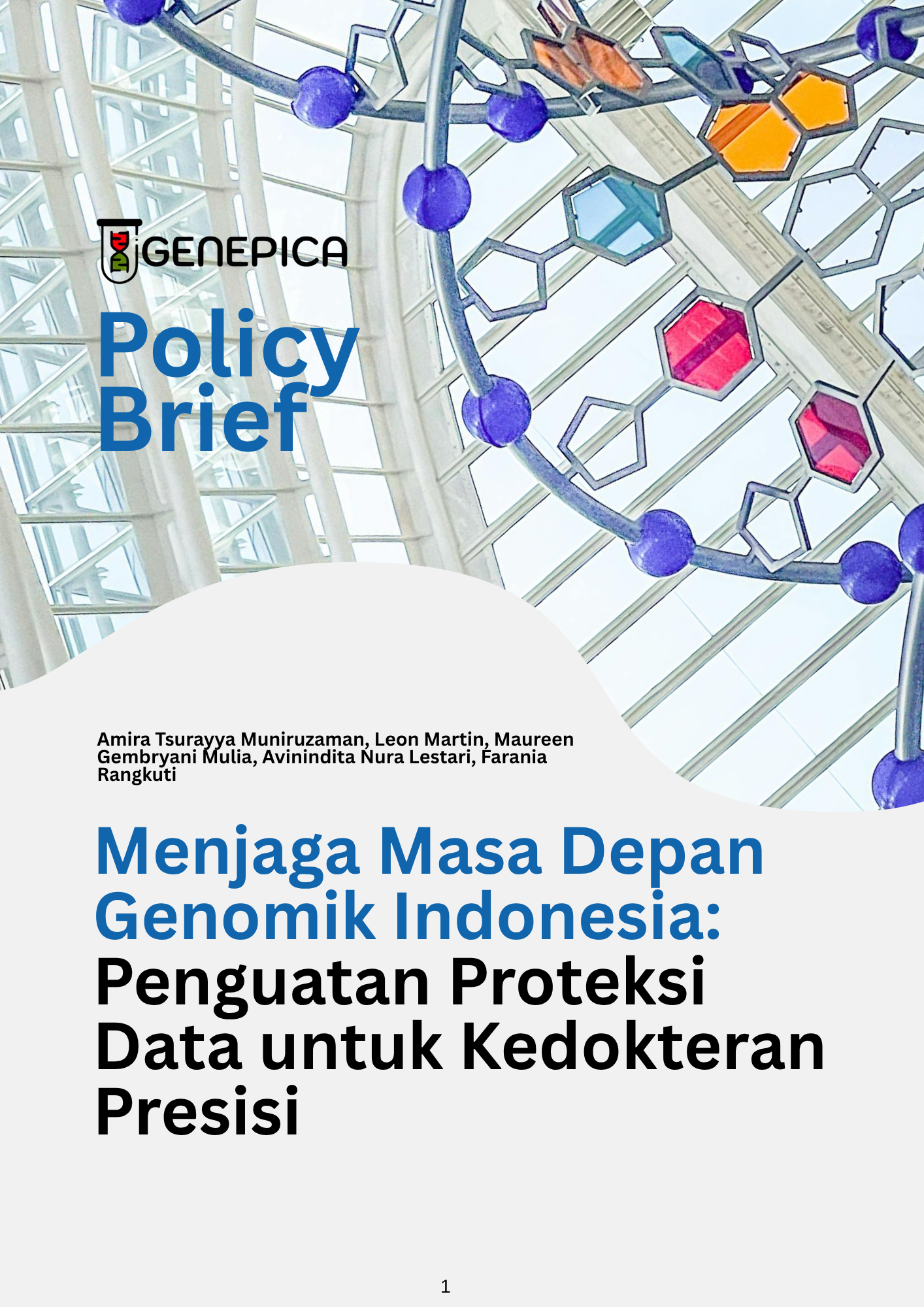
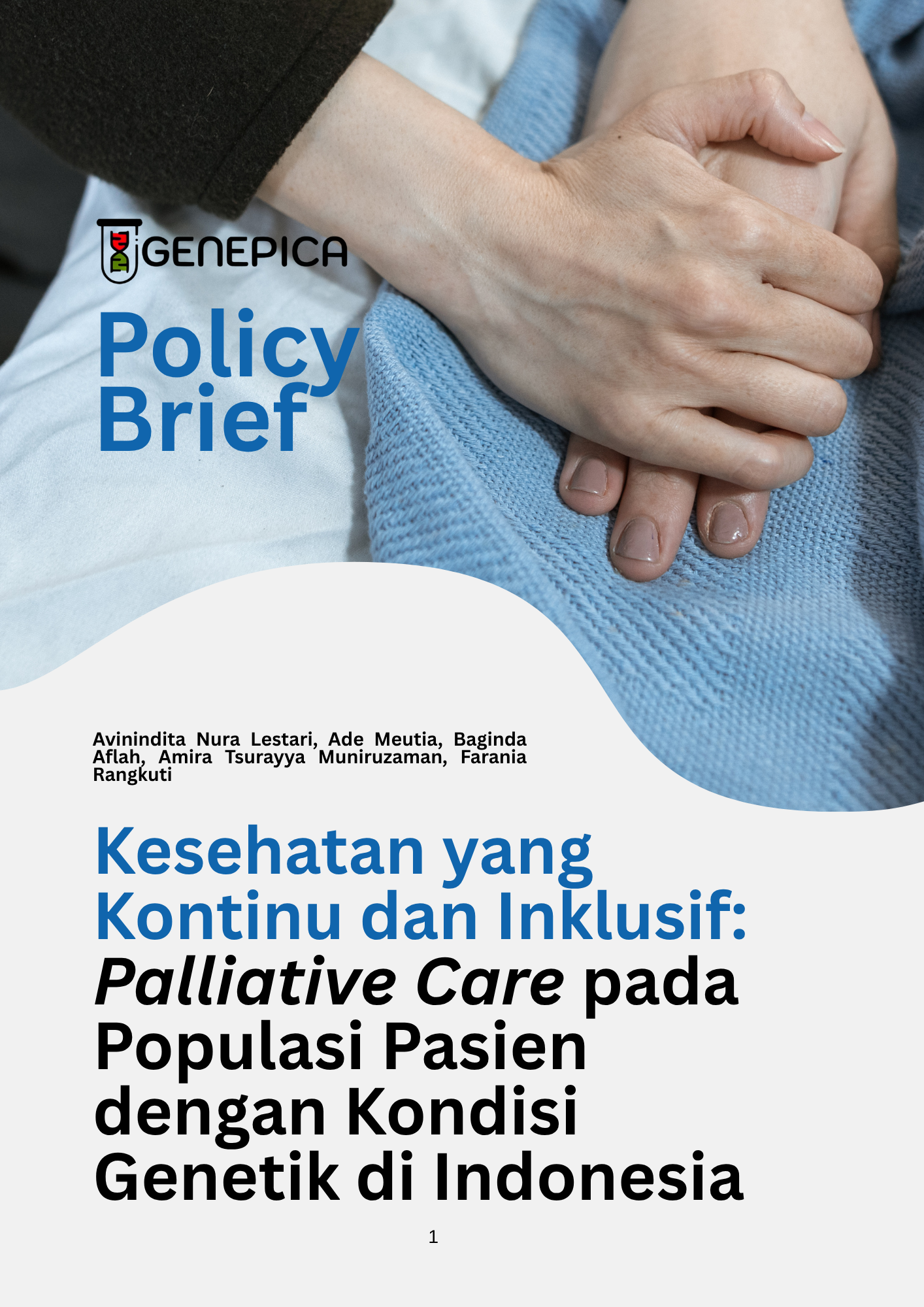
GENEPICA develops policy briefs on genomics and precision medicine, translating scientific evidence and international best practices into practical considerations for healthcare policy in Indonesia. The briefs explore key issues including genomic data protection, informed consent, ethical governance, return of results, and the integration of genomics into healthcare systems.
Through engagement with policymakers and other stakeholders, GENEPICA uses these briefs to facilitate evidence-informed dialogue and identify opportunities for the safe, equitable, and sustainable development of genomic medicine in Indonesia.
Partner Institutions: Entrepreneur First, Doctrine UK
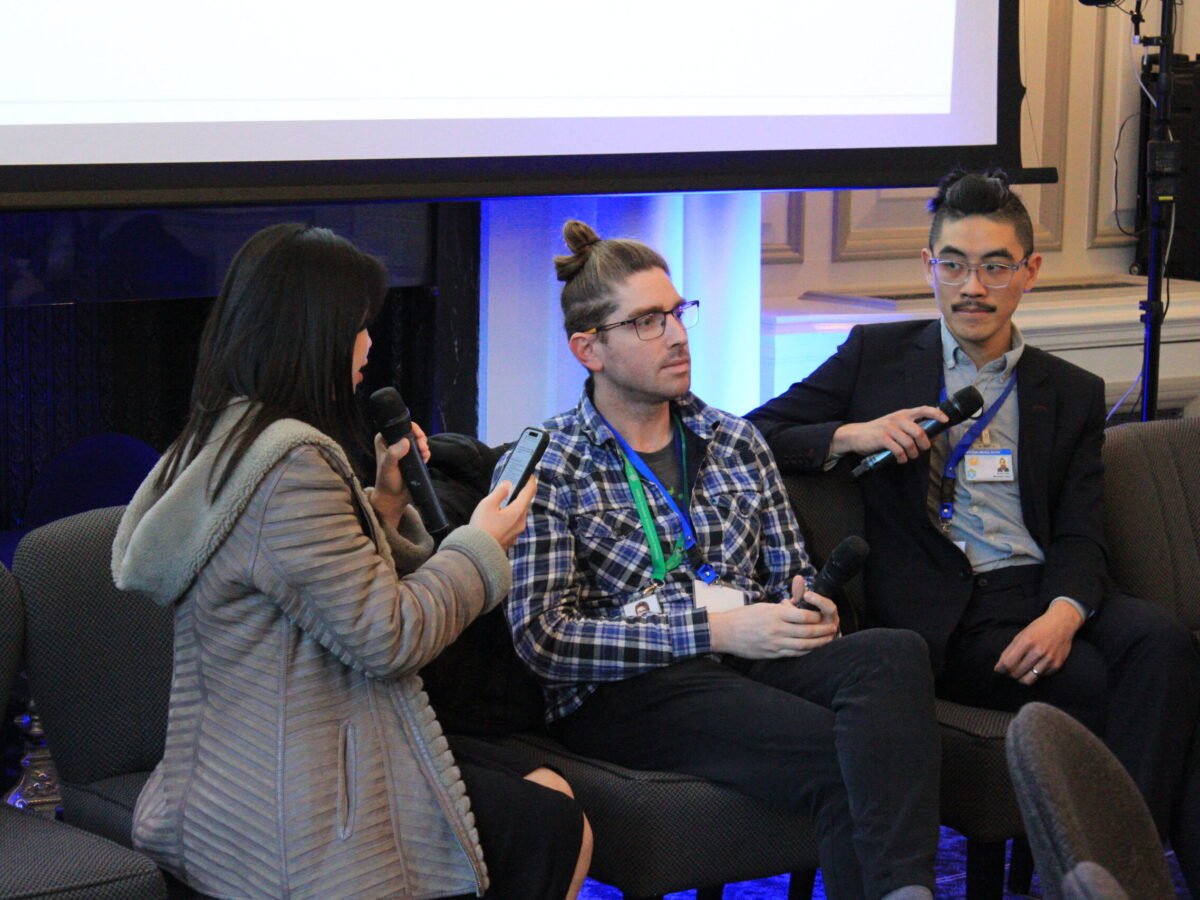
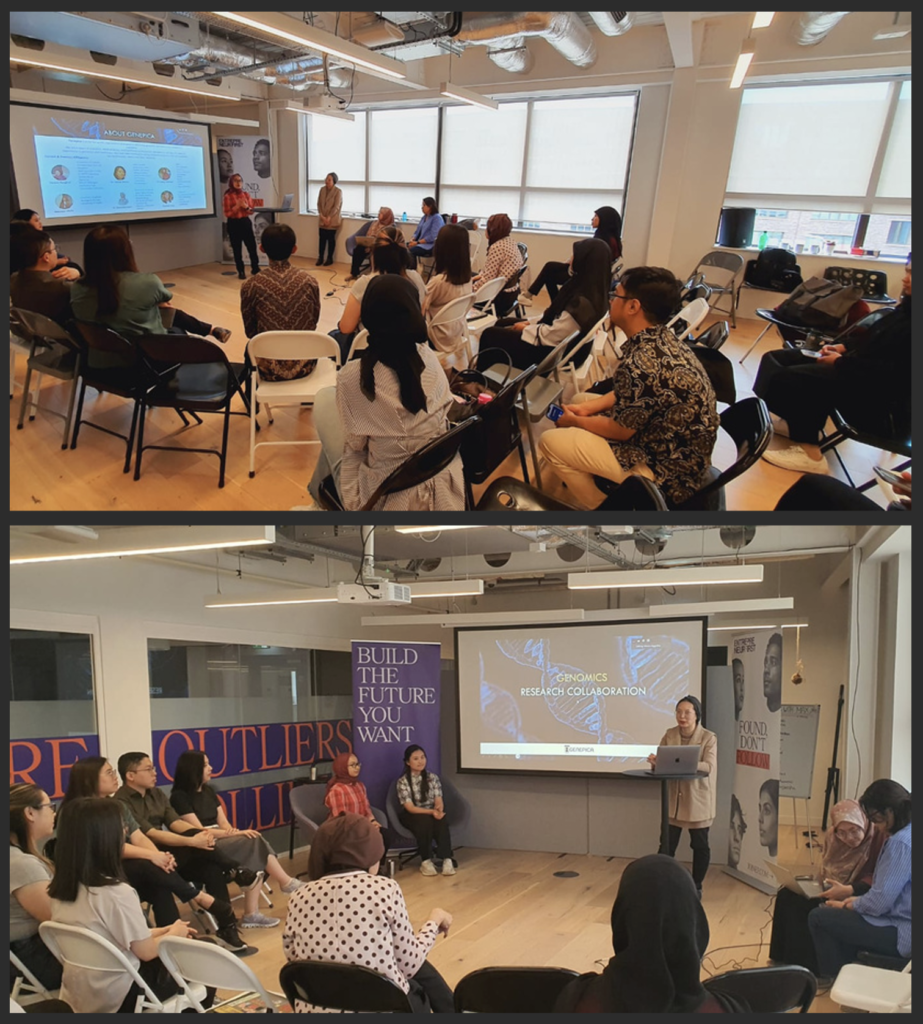
Mini Genomics Symposium
was held in London in June 2024. It featured genomics projects by researchers from Genepica, Imperial College London, University College London, and University of Glasgow, and moderated by a University of Cambridge researcher. It was attended by ~35 hybrid participants (20 offline, 15 online).